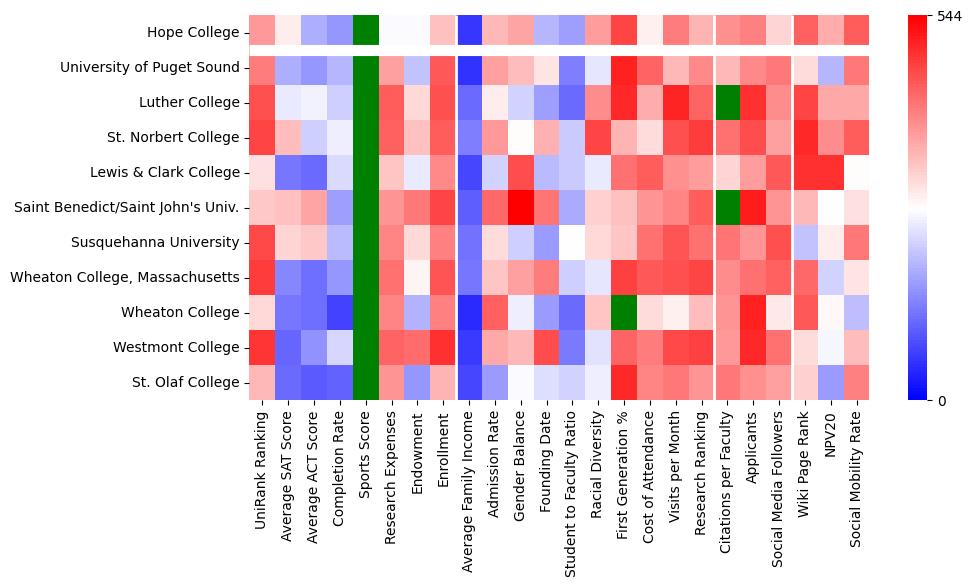
Hope College, located in Holland, Michigan, was founded in 1866 and has a rich history rooted in its affiliation with the Reformed Church in America. This liberal arts college has grown significantly over the years, blending tradition with innovation and offering a close-knit campus environment. With its scenic 125-acre campus situated near the shores of Lake Michigan, Hope College provides a picturesque setting that complements its academic and extracurricular offerings. The college is known for its commitment to nurturing students through rigorous academics, spiritual growth, and strong community values.
What sets Hope College apart is its emphasis on undergraduate research and experiential learning. The college boasts numerous opportunities for students to engage in hands-on research across various disciplines, often in collaboration with faculty mentors. Additionally, Hope's dedication to fostering a supportive community is evident in its student-to-faculty ratio of 11:1, allowing for personalized attention and mentorship. The Pull, a tug-of-war competition dating back to 1898, and the Nykerk Cup, a showcase of student talent and creativity, are two beloved traditions that highlight Hope’s vibrant campus life and sense of community.
Academically, Hope College is recognized for its strong programs in the sciences, particularly in chemistry and biology, as well as in the arts, with its dance program being nationally acclaimed. The college emphasizes a liberal arts education that encourages interdisciplinary learning and critical thinking. Hope’s engineering program is also noteworthy, offering an ABET-accredited curriculum that prepares students for successful careers in various engineering fields. Furthermore, Hope College consistently ranks highly for its commitment to undergraduate teaching, reflecting the quality and dedication of its faculty.
While Hope College offers a supportive and academically rigorous environment, some students have noted areas for improvement. One concern is the college's limited diversity, as the student body is predominantly white, which may impact the campus's cultural dynamics and inclusivity efforts. Additionally, while the college provides numerous extracurricular activities, some students have expressed the need for more expansive off-campus opportunities, such as internships and partnerships with businesses in larger metropolitan areas. Despite these challenges, Hope College continues to work towards enhancing its inclusivity and expanding opportunities for all students.